


Every step tells you something.
Worked on with








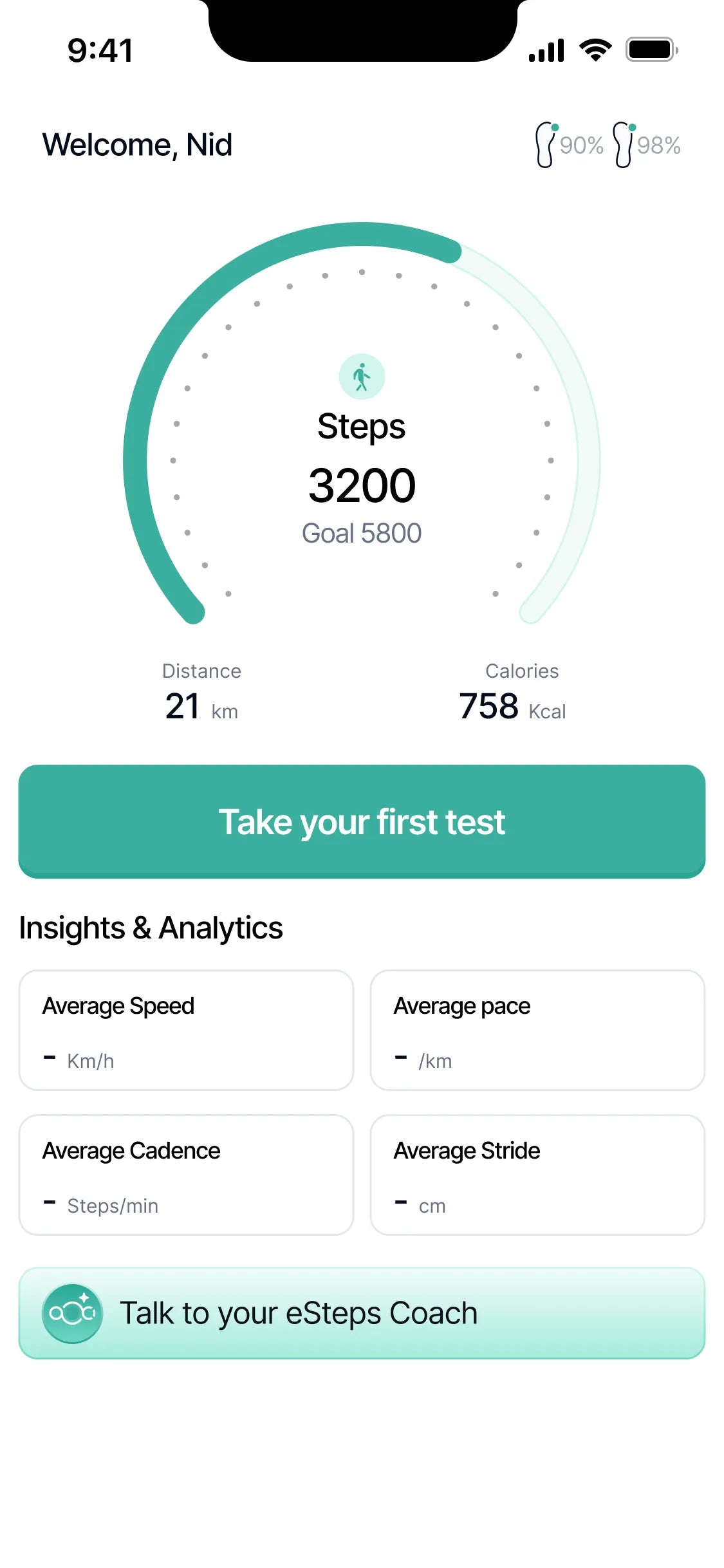
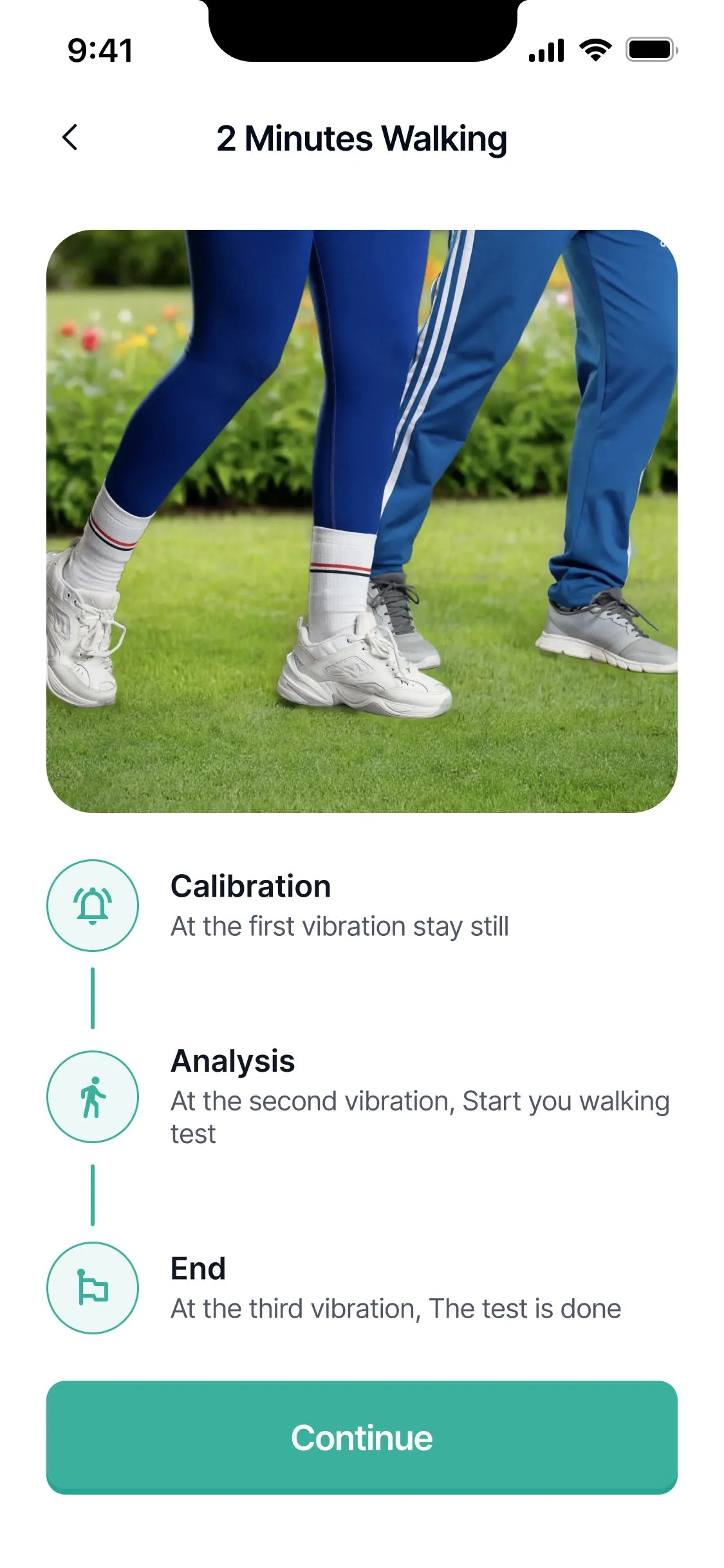
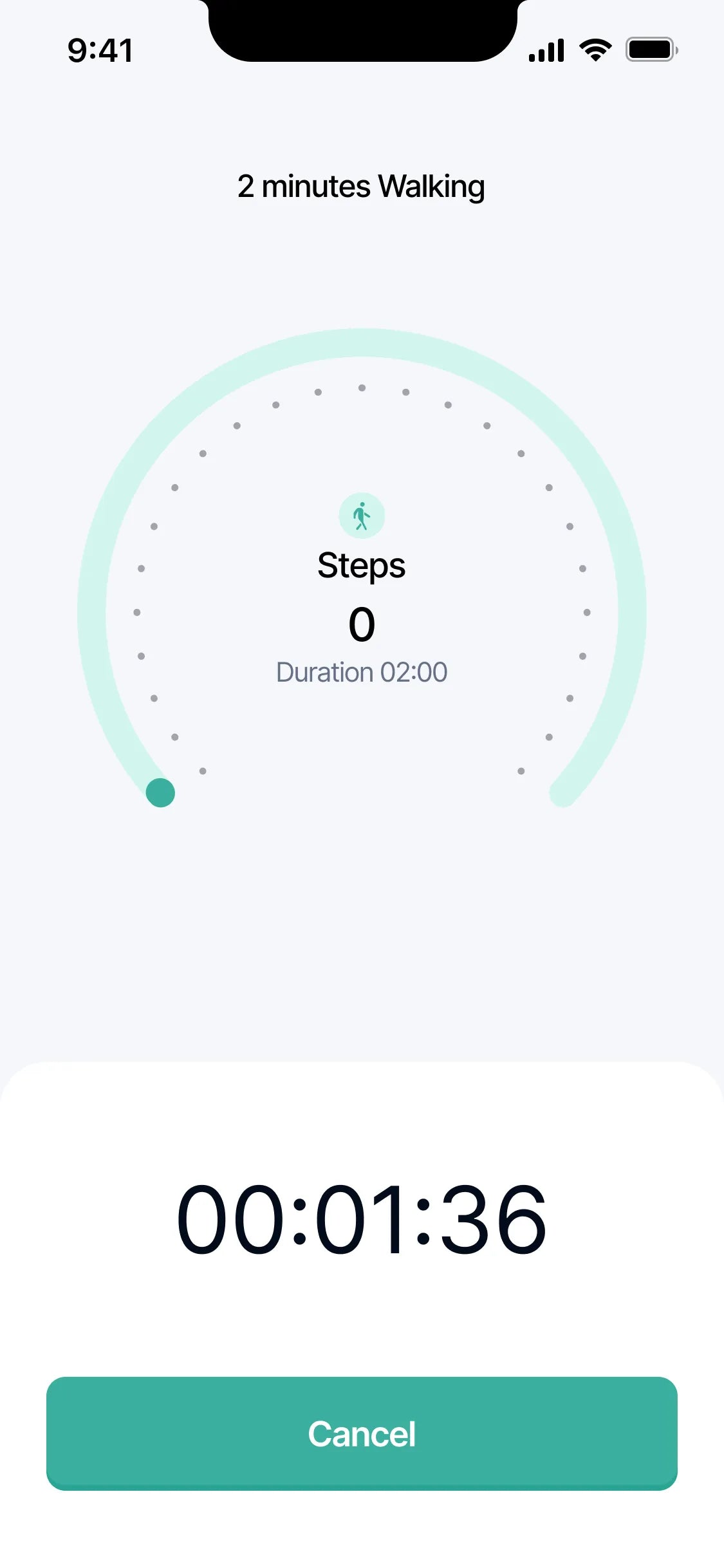
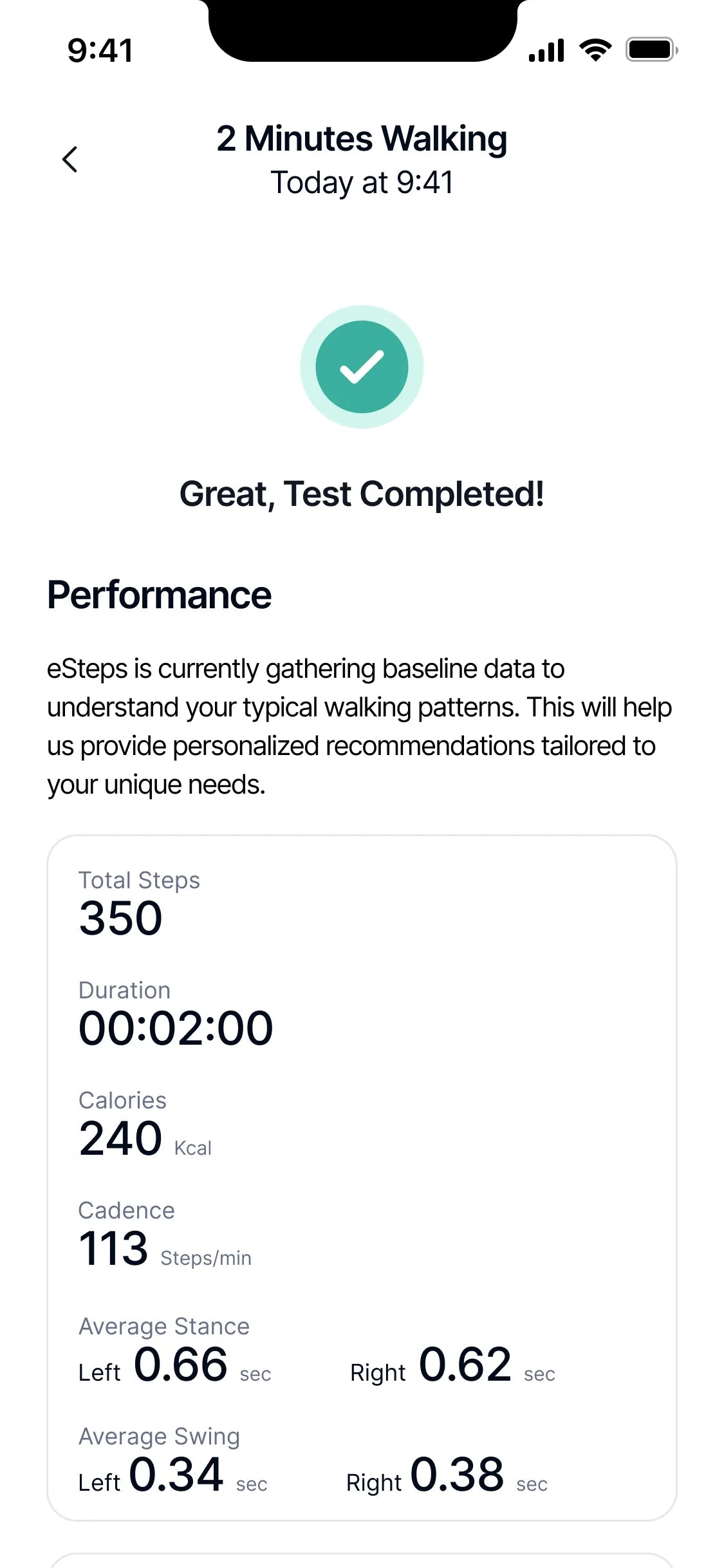
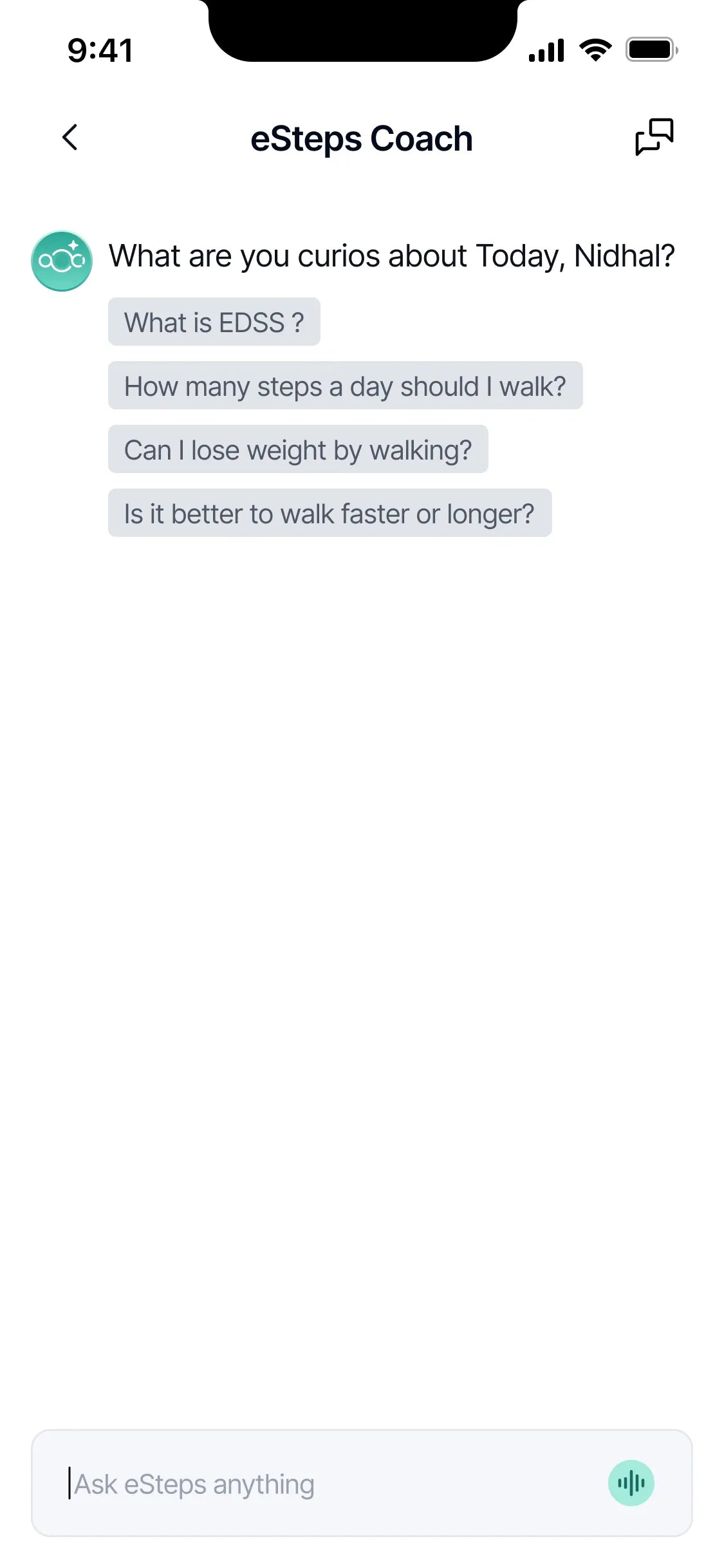
The same steps, read by three kinds of people.
-
 Patients and families
Know what to do this week.
The app reads your walking and comes back with something you can act on, plus a record your care team can use.
-
 Clinicians
Watch mobility over months.
Trends and gait biomarkers from everyday walking, ready before each visit.
-
 Research and pharma
Measure movement in real life.
Ecologically valid gait data, day after day, with a validation record behind it.


How it works
-
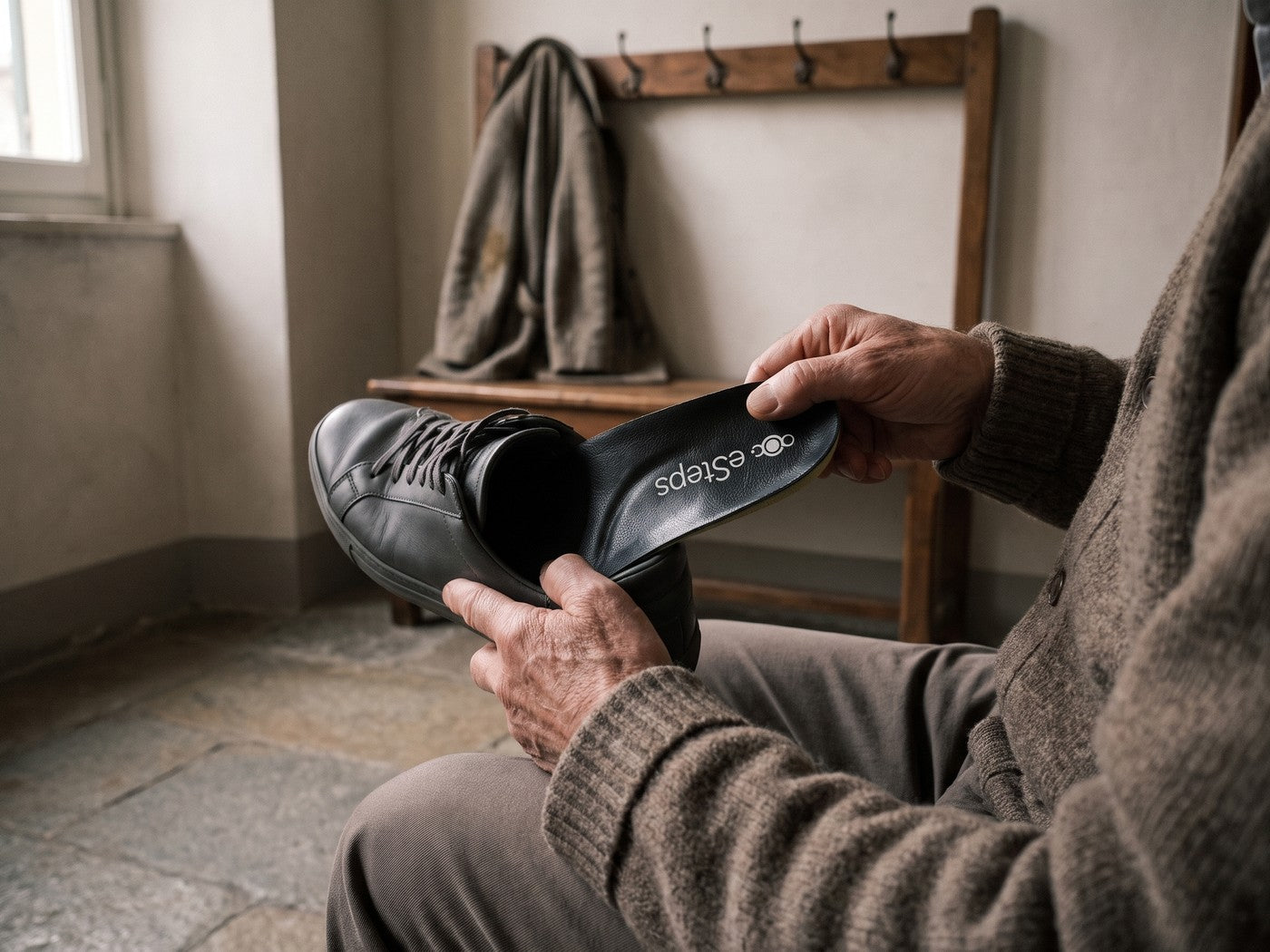
It slips into the shoes you already own. No calibration, no custom footwear, about two weeks of battery.
-

The app records your ordinary day. When asked, a two- or six-minute walk test runs from your phone.
-

Your clinician sees the trend between visits, so the next appointment starts from what actually happened.

The insole
The shoes you already own.
No custom footwear and no fitting appointment. It sits under the liner of whatever is already by your door - trainers, work shoes, boots.
See the insoleBefore you ask.
Not here? Write to us
No. The insole slips into the shoes you already own - sneakers, work shoes, walking shoes - and moves between pairs in seconds.
About two weeks of ordinary wear on a charge. It charges like your other devices, no docking station.
No calibration. Pair it with the app once, put it in your shoe and walk.
You choose to share with your clinician. They see how your walking changed between visits, plus the results of any two- or six-minute walk tests you run from the app.
Yes. Nothing is shared unless you share it. The pipeline is GDPR-ready and HIPAA-compatible.
It was spun out of the RECORD biomechanics lab at the University of Bologna, and is built between Bologna and Boston.

Start with the shoes you already own.
The insoles slip into any normal shoe, and the app records how you walk.